
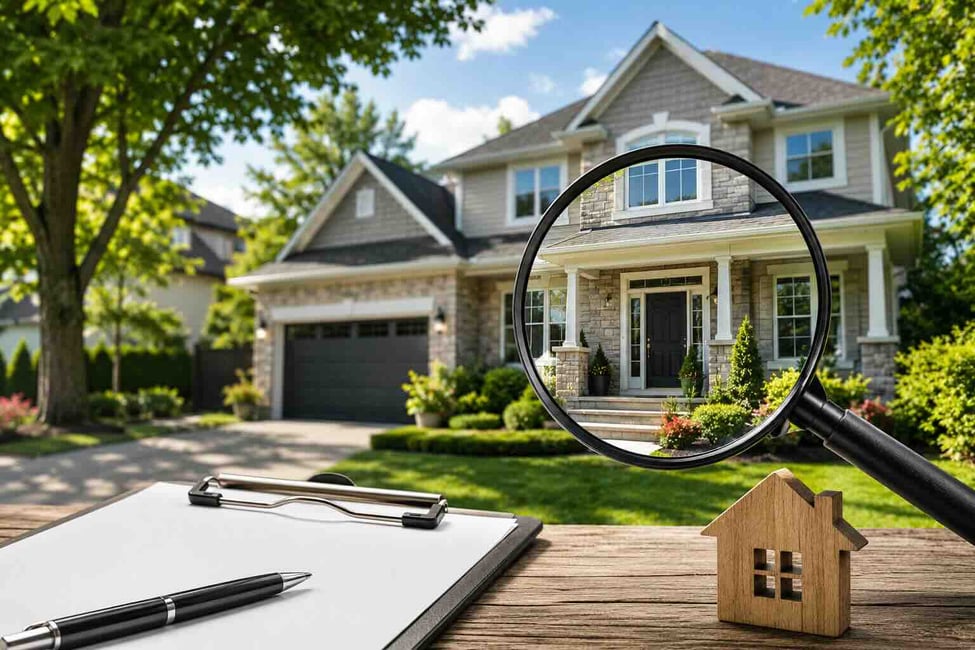
Buying a home in Etobicoke can be an exciting opportunity, but it is important to look beyond the paint, finishes, and staging. From older established homes to newer developments, properties can have hidden issues that may lead to expensive repairs after closing. Knowing the biggest red flags when buying a home in Etobicoke can help buyers make a more informed decision and avoid unexpected costs.
Whether you are a first-time buyer, upgrading to a larger home, or investing in Etobicoke real estate, careful due diligence is essential. A property that looks perfect during a showing may still have problems with its structure, water management, major systems, renovations, or surrounding location.
What Are the Biggest Red Flags When Buying a Home in Etobicoke?
The most important red flags include water damage, foundation problems, poor-quality renovations, aging major systems, and location concerns. While not every warning sign means you should walk away from a property, each one deserves closer investigation before making an offer.
Here are five major red flags Etobicoke homebuyers should watch for.
1. Signs of Water Damage or Moisture
Water damage is one of the biggest concerns to investigate, especially when viewing a home with a basement.
Look carefully for:
- Musty or damp smells
- Water stains on walls or ceilings
- Peeling or bubbling paint
- Mould or mildew
- Cracks in basement walls
- White powdery deposits on foundation walls
- Damp flooring
- Recently repaired or freshly painted areas
Do not assume that a finished basement is automatically problem-free. Finished walls and flooring can sometimes make previous moisture problems harder to identify.
Why Is Water Damage a Red Flag?
Untreated moisture can contribute to mould, deterioration of building materials, and more extensive repairs. Before purchasing, ask whether the property has experienced flooding, basement leaks, drainage problems, or waterproofing work.
AEO Answer:
How do you know if a house has water problems? Look for musty odours, stains, mould, peeling materials, basement cracks, damp areas, and signs of previous repairs. A professional home inspection can provide a more detailed assessment.
2. Foundation or Structural Problems
Foundation issues should never be ignored.
During your showing, look for large or unusual cracks in foundation walls, uneven floors, doors that do not close properly, gaps around windows and doors, or visible signs that part of the home is shifting.
It is important to remember that not every crack means there is a serious structural problem. However, buyers should have significant or suspicious cracks professionally assessed rather than assuming they are cosmetic.
Why Does the Foundation Matter?
The foundation supports the entire structure of the home. Major foundation repairs can be expensive, and unresolved structural problems may affect both safety and resale value.
If you notice concerning signs, ask questions and consider obtaining a professional opinion before proceeding with the purchase.
3. Poor-Quality or Unpermitted Renovations
A recently renovated home can be very appealing, but new finishes do not necessarily mean the work was completed properly.
Be cautious when you notice:
- Uneven flooring or walls
- Poorly finished renovations
- DIY electrical or plumbing work
- Unusual room layouts
- Recently finished basements
- Removed or altered walls
- Major additions without clear documentation
Ask the seller about significant renovations and whether permits were obtained when required.
This is particularly important for basement conversions, additions, structural changes, electrical work, plumbing, and major alterations to the home's layout.
AEO Answer:
Should you check permits when buying a renovated home? Yes. Buyers should ask about permits and documentation for significant renovations and have any concerns reviewed by the appropriate professionals.
4. Aging Roof, HVAC, Electrical, or Plumbing Systems
A home can look completely move-in ready while several expensive systems are nearing the end of their useful life.
Before buying, find out the approximate age and condition of:
- Roof
- Furnace
- Air conditioner
- Water heater
- Electrical panel
- Plumbing
- Windows
- Insulation
One replacement may be manageable, but several major systems needing attention at the same time can significantly increase your ownership costs.
Questions to Ask
Before making an offer, consider asking:
- How old is the roof?
- When was the furnace installed?
- Has the electrical system been upgraded?
- Has the plumbing been replaced or repaired?
- Are the windows original?
- Has the basement ever experienced water issues?
- Are there receipts or warranties for recent work?
Understanding the condition of these systems can help you budget for future maintenance and evaluate the property's overall value.
5. Location and Neighbourhood Red Flags
A beautiful home does not necessarily mean it is the right home.
When buying in Etobicoke, evaluate the surrounding area as carefully as the property itself. Visit the neighbourhood at different times of day to get a better understanding of traffic, noise, parking, and general activity.
Consider:
- Traffic congestion
- Noise from major roads
- Parking availability
- Proximity to highways
- Nearby construction
- Future development
- Public transit access
- Schools and parks
- Shopping and everyday amenities
A neighbourhood can feel very different during a quiet weekend afternoon compared with a weekday morning.
Why Does Location Matter?
You can renovate a kitchen, replace flooring, or update a bathroom. You cannot easily change the road outside your home, surrounding development, traffic patterns, or neighbourhood layout.
For this reason, location should be one of the most important factors when buying a home in Etobicoke.
Bonus Red Flag: A Home Priced Far Below Comparable Properties
A low asking price can look like a great opportunity, but buyers should always ask why the property is priced significantly below similar homes.
There may be a perfectly reasonable explanation, such as strategic pricing or a motivated seller. However, the price could also reflect the home's condition, required repairs, unusual features, or other concerns.
Instead of focusing only on the asking price, compare:
- Recent comparable sales
- Property condition
- Lot size
- Location
- Renovations
- Number of bedrooms and bathrooms
- Parking
- Potential repair costs
A low purchase price is not necessarily a bargain if the property requires major work after closing.
How Can You Protect Yourself When Buying a Home in Etobicoke?
The best way to avoid surprises is to conduct thorough due diligence before purchasing.
Etobicoke Home-Buying Checklist
- Review the property's history and available disclosures.
- Arrange a professional home inspection.
- Ask about major renovations and permits.
- Check the age and condition of major systems.
- Look carefully for water and foundation concerns.
- Visit the neighbourhood at different times.
- Research nearby development and construction.
- Compare the property with similar homes.
- Budget for potential repairs and maintenance.
- Review the purchase agreement with your real estate lawyer.
Remember that a home inspection is not a guarantee that every future problem will be identified. It is one important part of the overall due-diligence process.
Frequently Asked Questions About Buying a Home in Etobicoke
What should I look for when buying a house in Etobicoke?
Pay close attention to the foundation, basement, roof, electrical and plumbing systems, HVAC equipment, signs of water damage, renovation quality, and the property's surrounding location.
Is a home inspection important when buying in Etobicoke?
Yes. A professional home inspection can identify potential defects and maintenance concerns that may not be obvious during a standard showing.
What are the most expensive problems in a house?
Major foundation issues, extensive water damage, roof replacement, significant electrical or plumbing work, and major HVAC replacements can become expensive depending on the property's condition and the extent of the work required.
Should I avoid a house with foundation cracks?
Not necessarily. Some cracks can be minor, while others may indicate a more serious issue. The key is to have concerning cracks properly evaluated before purchasing.
What questions should I ask before buying a home in Etobicoke?
Ask about the home's age, renovations, permits, roof, furnace, HVAC system, plumbing, electrical system, basement history, water damage, property taxes, and any known issues. You should also research the neighbourhood and nearby development.
What is the biggest red flag when buying a home?
There is no single red flag that applies to every property. However, unresolved structural problems, significant water damage, and major undisclosed issues deserve particular attention because they can lead to substantial repair costs.
Final Thoughts
Buying a home in Etobicoke is a major financial decision, so it is important to look beyond the home's appearance. Fresh paint, updated kitchens, and attractive staging can make a property look perfect, but the most important issues are often hidden beneath the surface.
By watching for water damage, foundation problems, poor renovations, aging systems, and location concerns, buyers can better understand the property before making a commitment.
The goal is not to find a home with absolutely no imperfections. Every property will have some maintenance needs. Instead, the goal is to understand the home's condition, identify potential costs, and make a purchase decision based on the complete picture.
Need to Sell?? Neetu Sell!!
Remax West Realty Inc.
📞 Call: (416) 898-5160
🌐 Website: www.neetusell.com
📍 Serving: Markham | Etobicoke | North York | Vaughan | Mississauga | Kleinburg | Toronto | Oakville | Milton

