
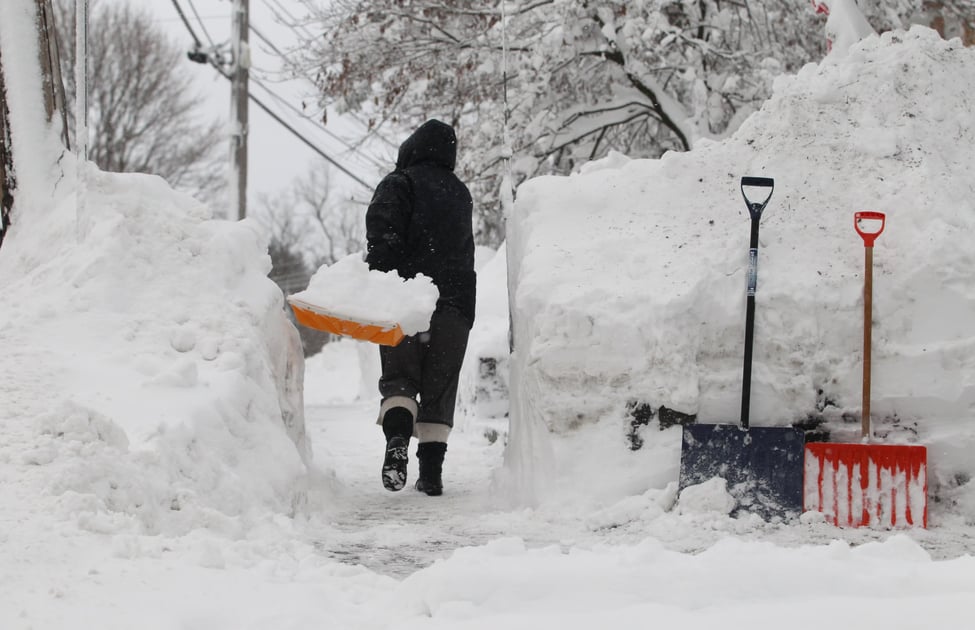
Snow shoveling is a winter reality for homeowners across Ontario. While it may seem like a simple task, improper snow removal is one of the leading causes of winter injuries and property damage. From strained backs to cracked driveways and liability concerns, how you shovel matters more than you think.
Whether you’re maintaining your home, managing a rental, or preparing a property for sale, following proper snow shoveling practices helps protect your health, safety, and long-term investment.
Below are 7 essential snow shoveling tips every homeowner should follow for a safer, smarter winter.
1. Shovel Early and Often to Prevent Heavy Snow Buildup
One of the biggest mistakes homeowners make is waiting until snowfall ends before shoveling. Snow becomes heavier as it accumulates and can quickly compact into ice.
By shoveling early and regularly, you:
Reduce the physical strain on your body
Prevent ice from forming underneath fresh snow
Make walkways and driveways safer for family, guests, and delivery personnel
Minimize the need for excessive ice melt later
Light, frequent shoveling sessions are far safer and more effective than one heavy effort.
2. Use the Right Snow Shovel for Comfort and Safety
Using the wrong shovel increases your risk of injury and fatigue.
When choosing a shovel:
Ergonomic or curved-handle shovels reduce bending and back strain
Lightweight plastic blades are ideal for fresh snow and easier lifting
Metal blades work best for compacted snow but should be used carefully to avoid surface damage
Your shovel should be tall enough to reach between your chest and chin, helping you maintain proper posture while working.
3. Practice Proper Shoveling Technique to Avoid Injuries
Improper lifting and twisting motions are leading causes of winter injuries.
To protect your body:
Bend at the knees instead of the waist
Keep your back straight and your core engaged
Lift small amounts of snow at a time
Push snow whenever possible rather than lifting it
Avoid twisting your torso while throwing snow—turn your entire body instead to reduce strain on your spine.
4. Watch for Hidden Ice and Slippery Conditions
Ice is often hidden beneath fresh snow, especially on steps, slopes, and shaded walkways.
To reduce slip-and-fall risks:
Apply ice melt or sand before and after shoveling
Wear winter boots with proper traction
Clear snow during daylight hours for better visibility
Taking extra precautions around icy areas can prevent serious injuries.
5. Be Mindful of Where You Pile Snow
Where you place snow after shoveling is just as important as removing it.
Avoid piling snow:
Against your home’s foundation
Near basement windows, vents, or exterior doors
Over gardens, shrubs, or drainage areas
In ways that block sidewalks or create visibility issues
Improper snow placement can cause water damage, ice buildup, and drainage problems during melting cycles.
6. Use Ice Melt Responsibly to Protect Your Property
While ice melt improves traction, overuse can damage concrete, interlock, and surrounding landscaping.
Best practices include:
Choosing pet-safe and concrete-safe products
Applying only what’s necessary, more isn’t better
Using sand as a gentler alternative for traction
Responsible ice melt use helps protect your walkways and reduces long-term repair costs.
7. Know When to Call in Professional Snow Removal
Snow shoveling isn’t always a safe or practical DIY task.
Hiring professional snow removal is a smart option if:
Snowfall is heavy or frequent
You’re a senior or have mobility concerns
You manage rental or vacant properties
Your home is listed for sale and needs consistent curb appeal
Professional services ensure reliable snow clearing while reducing injury and liability risks.
Snow Shoveling FAQs
What is the safest way to shovel snow?
Shovel early, lift with your legs, push snow when possible, and take frequent breaks.
When should homeowners shovel snow?
As soon as snow begins to accumulate and throughout the snowfall to prevent heavy buildup.
Is snow shoveling dangerous?
Yes, improper shoveling can cause back injuries, slips, falls, and heart strain.
Are homeowners responsible for clearing sidewalks?
In most Ontario municipalities, homeowners must clear sidewalks within a specific timeframe after snowfall.
Can snow damage a home?
Yes, poorly managed snow can lead to foundation issues, ice dams, and water infiltration during melting.
Final Thoughts: Winter Maintenance Protects Your Investment
Snow shoveling is more than a seasonal chore, it’s an essential part of responsible homeownership. Following these seven tips helps homeowners stay safe, reduce liability, prevent damage, and maintain curb appeal throughout the winter months.
Proper winter maintenance not only protects your home today but also preserves its value for the future.
Need to Sell?? Neetu Sell!!
Neetu Arora | Real Estate Broker
📞 (416) 898-5160
🌐 www.neetusell.com
📍 Serving: Markham | Etobicoke | North York | Vaughan | Mississauga | Kleinburg | Toronto | Brampton | Oakville | Milton

