
As summer comes to an end and temperatures begin to drop, fall is one of the best times of year to inspect and maintain your home. Completing seasonal maintenance now can help prevent costly repairs, improve energy efficiency, and keep your home comfortable throughout the colder months.
From cleaning gutters and checking the roof to servicing your heating system and protecting outdoor plumbing, a little preparation can go a long way.
Use this fall home maintenance checklist to make sure your property is ready for the season ahead.
1. Inspect the Roof
Your roof protects your home from rain, wind, snow, and freezing temperatures, making it one of the most important areas to check before winter.
Look for:
- Missing, cracked, or damaged shingles
- Loose flashing around chimneys, vents, and skylights
- Signs of water damage or leaks
- Moss or excessive debris
- Damaged areas around roof edges
If you notice anything concerning, consider having a professional inspect the roof before the weather becomes harsh.
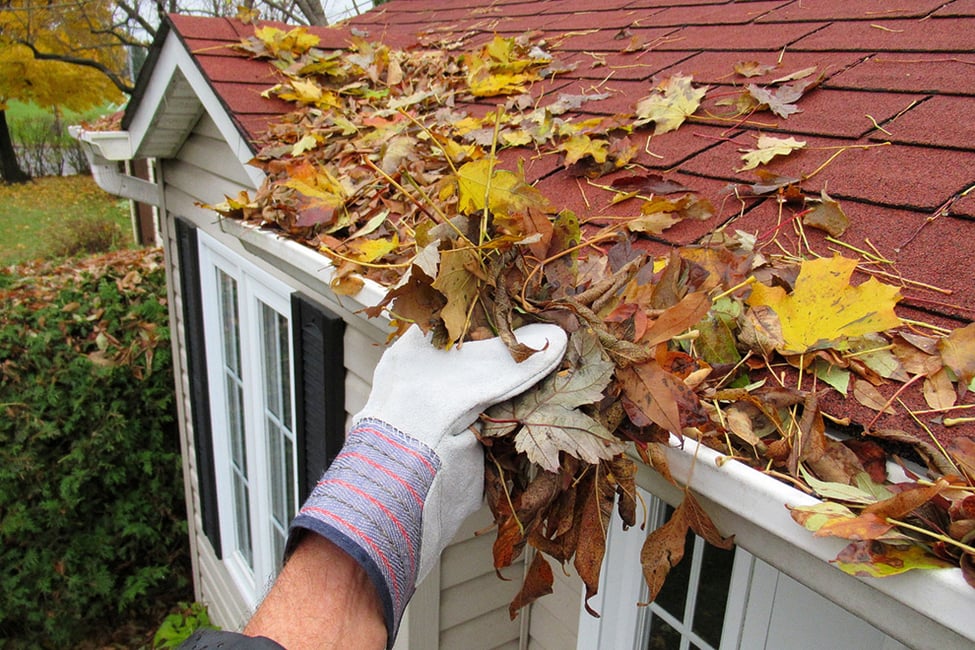
2. Clean and Inspect the Gutters
Falling leaves can quickly clog gutters and downspouts. Blocked gutters can cause water to overflow and potentially damage your roof, siding, foundation, and landscaping.
Clean out leaves and debris, then check that:
- Gutters are securely attached
- Downspouts are clear
- Water flows away from the foundation
- There are no cracks or leaks
Extending downspouts away from your home's foundation can also help reduce the risk of water entering the basement.
3. Service Your Heating System
Your heating system may not have worked hard during the summer, but it will soon become one of the most important systems in your home.
Before you need it regularly:
- Replace or clean the furnace filter
- Have the heating system professionally serviced if needed
- Check vents and registers for obstructions
- Make sure warm air is circulating properly
- Listen for unusual noises when the system runs
Addressing heating problems before temperatures drop can help prevent an inconvenient breakdown.
4. Check Doors and Windows
Drafty doors and windows can allow warm air to escape and cold air to enter, making your heating system work harder.
Inspect weatherstripping and caulking around windows and doors. Replace damaged seals and apply fresh caulk where necessary.
Pay particular attention to:
- Exterior doors
- Basement windows
- Older windows
- Garage entry doors
- Areas around window frames
5. Inspect the Chimney and Fireplace
If you have a wood-burning fireplace, fall is a good time to make sure it's ready for regular use.
Check for visible cracks or damage and have the chimney professionally inspected and cleaned when appropriate. Remove old ash from the fireplace and make sure the damper operates properly.
Never ignore unusual odors, smoke problems, or signs of damage.
6. Protect Outdoor Plumbing
Freezing temperatures can damage exposed pipes and outdoor faucets.
Before freezing weather arrives:
- Disconnect garden hoses
- Drain outdoor faucets where appropriate
- Insulate exposed pipes
- Check exterior plumbing for leaks
- Shut off exterior water supplies if your plumbing system requires it
Taking these steps can help prevent frozen or burst pipes.
7. Check Your Smoke and Carbon Monoxide Detectors
Fall is a good reminder to test your home's safety devices.
Test every smoke and carbon monoxide detector and replace batteries if necessary. Check the manufacturer's recommendations for replacement of the units themselves.
Make sure detectors are installed in appropriate locations, particularly near sleeping areas and on each level of the home.
8. Inspect the Exterior
Walk around your property and look for maintenance issues that may become worse during fall and winter.
Check:
- Siding for damage
- Exterior paint or sealant
- Foundation walls
- Steps and railings
- Driveways and walkways
- Outdoor lighting
- Fences and gates
Small cracks or damaged areas can become bigger problems when exposed to moisture and freezing temperatures.
9. Clean the Dryer Vent
A clogged dryer vent can reduce drying efficiency and create a serious fire hazard.
Clean the lint filter after every load and periodically inspect the dryer vent and exhaust duct for accumulated lint.
If the vent is difficult to access or appears heavily blocked, professional cleaning may be worthwhile.
10. Inspect Attic Insulation and Ventilation
Your attic plays an important role in your home's energy efficiency.
Look for areas where insulation appears thin, compressed, or damaged. Also check for signs of moisture, mold, or water intrusion.
Proper insulation and ventilation can help regulate indoor temperatures and reduce the risk of moisture-related problems.
11. Check the Sump Pump
If your home has a basement and sump pump, test the system before heavy fall and winter precipitation arrives.
Pour water into the sump pit and confirm that the pump activates and removes the water properly.
Also check that the discharge pipe is clear and directing water away from your foundation.
12. Inspect Trees and Branches
Fall is an excellent time to examine trees around your home.
Remove dead or unstable branches that could fall during strong winds or winter storms. Pay special attention to branches near:
- Your roof
- Power lines
- Driveways
- Walkways
- Windows
For large or hazardous trees, consider hiring a qualified tree professional.
13. Clean and Store Summer Equipment
As outdoor activities wind down, clean and properly store seasonal equipment.
Depending on your home, this may include:
- Lawn equipment
- Garden tools
- Outdoor furniture
- Pool equipment
- Hoses
- Sprinklers
Proper storage can extend the life of your equipment and make spring cleanup easier.
14. Inspect the Foundation and Basement
Walk around your foundation and basement looking for cracks, damp spots, musty odors, or signs of water intrusion.
Pay attention to areas around windows, doors, plumbing penetrations, and foundation joints.
Early detection can help prevent moisture problems from becoming expensive repairs.
Final Fall Maintenance Walkthrough
Once you've completed the major tasks, take one final walk around your property. Look for anything that could become difficult to repair once temperatures fall or winter weather arrives.
A few hours of preventive maintenance in the fall can help protect your home, improve efficiency, and give you greater peace of mind throughout the colder months.
Quick fall maintenance checklist:
- ☐ Inspect the roof
- ☐ Clean gutters and downspouts
- ☐ Service the heating system
- ☐ Check windows and doors
- ☐ Inspect the fireplace and chimney
- ☐ Protect outdoor plumbing
- ☐ Test smoke and carbon monoxide detectors
- ☐ Inspect the exterior
- ☐ Clean the dryer vent
- ☐ Check attic insulation and ventilation
- ☐ Test the sump pump
- ☐ Inspect trees and branches
- ☐ Store summer equipment
- ☐ Check the foundation and basement

