
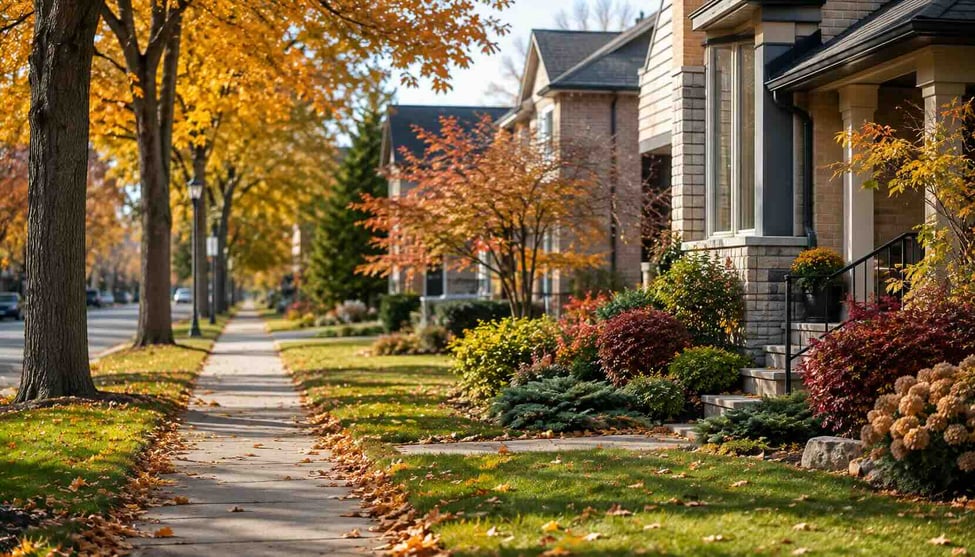
Fall is more than a change in weather—it's a transition between the warm, active months of summer and the colder months ahead. Preparing your home for fall is an opportunity to make your living space warmer, more comfortable, organized, and ready for changing conditions.
Rather than focusing only on repairs, fall preparation should also consider how you use your home during the season.
Here are some practical ways to get your home ready for fall.
1. Give Your Home a Seasonal Deep Clean
Fall is an excellent time to tackle cleaning projects that may have been overlooked during the busy summer months.
Consider:
- Washing windows
- Cleaning ceiling fans
- Dusting light fixtures
- Vacuuming vents and registers
- Cleaning behind appliances
- Decluttering closets
- Deep cleaning carpets and rugs
A clean home feels especially inviting as more time is spent indoors.
2. Transition Your Wardrobe
Replace lightweight summer clothing with sweaters, jackets, boots, and other cold-weather items.
Before storing summer clothing, wash and completely dry it. Use storage bins or breathable garment bags to keep seasonal items organized.
This is also a good opportunity to donate clothing your household no longer wears.
3. Bring Out Fall Bedding
Cooler nights are a good reason to switch to warmer bedding.
Consider adding:
- Heavier blankets
- Quilts
- Comforters
- Flannel sheets
- Extra throws
Layering bedding allows you to adjust your comfort as temperatures change.
4. Make Your Home More Energy Efficient
Fall is a good time to identify ways to reduce heat loss.
Simple improvements can include:
- Installing door sweeps
- Sealing obvious drafts
- Using thermal curtains
- Checking weatherstripping
- Adjusting your thermostat schedule
- Closing curtains at night
These measures can make rooms more comfortable while potentially reducing heating demand.
5. Rearrange Your Living Spaces for Cooler Weather
Your home may be used differently in fall than it was during summer.
Move frequently used furniture away from drafty areas and create comfortable spaces for reading, relaxing, entertaining, or spending time with family.
Adding a few warm-textured elements—such as rugs, cushions, and throws—can also make rooms feel more comfortable.
6. Prepare the Entryway
Your entryway will soon have to handle more coats, shoes, umbrellas, and potentially wet or muddy footwear.
Prepare it before the season gets busy.
Add:
- A sturdy doormat
- Coat hooks
- Shoe storage
- An umbrella stand
- A boot tray
- Baskets for accessories
A well-organized entrance can help keep the rest of the house cleaner.
7. Prepare Your Outdoor Living Space
Don't immediately abandon your patio or deck when summer ends.
Clean outdoor furniture and decide what should be stored and what can remain outside. Cover appropriate furniture and store cushions somewhere dry.
You can also make your outdoor space more fall-friendly with weather-appropriate lighting and seating.
8. Prepare Your Lawn and Garden for the Next Season
Fall is an important transition period for landscaping.
Depending on your climate and plants, you may want to:
- Remove dead annual plants
- Clear leaves regularly
- Trim appropriate plants
- Plant suitable fall vegetation
- Protect sensitive plants
- Clean garden tools
- Prepare garden beds
Avoid assuming every plant should be cut back immediately; some plants benefit from being left until later in the season.
9. Stock Your Home for Colder Days
Nobody wants to discover they're missing basic supplies during the first cold weekend of the season.
Check your household supplies and consider keeping essentials available, such as:
- Flashlights
- Batteries
- Candles or emergency lighting
- Basic tools
- Warm blankets
- Ice and snow equipment
- First-aid supplies
If your area experiences winter storms, fall is also a good time to review your household emergency plan.
10. Create a Cozy Lighting Plan
As daylight hours become shorter, lighting becomes more important.
Use a combination of ambient, task, and accent lighting rather than relying entirely on overhead lights.
Warm-toned lamps, table lighting, and strategically placed fixtures can make your home feel more welcoming during darker evenings.
11. Refresh Your Kitchen for Fall Cooking
Fall often means more soups, baked dishes, roasted vegetables, and warm drinks.
Take some time to organize your kitchen before the season gets underway.
Clean your pantry, check expiration dates, organize frequently used cookware, and make sure your small appliances are clean and ready to use.
12. Review Your Home's Security
Longer nights make fall a good time to review home security.
Check that:
- Exterior lights are working
- Door locks function properly
- Windows close and lock securely
- Garage doors are functioning correctly
- Outdoor cameras or security systems are working
Trim vegetation that blocks exterior lighting or visibility around doors and windows.
13. Make Your Home More Comfortable for Guests
Fall is often a popular season for gatherings.
Prepare a guest-friendly home by keeping extra blankets, towels, seating, and basic toiletries readily available.
If you frequently entertain, create a simple storage area for seasonal serving dishes and entertaining supplies.
14. Start Thinking Ahead to Winter
One of the biggest advantages of preparing your home for fall is that it gives you time to deal with winter-related tasks before they become urgent.
Make a list of larger projects that may need attention, such as:
- Roof repairs
- Exterior caulking
- Insulation improvements
- Heating system work
- Plumbing protection
- Driveway repairs
- Tree maintenance
Prioritize projects that could become more difficult or expensive once cold weather arrives.
A Simple Fall Home Preparation Plan
Instead of trying to accomplish everything in one weekend, divide your preparation into categories.
Inside the home:
Deep clean, reorganize closets, change bedding, improve lighting, and prepare comfortable living spaces.
Outside the home:
Clean outdoor areas, prepare landscaping, store seasonal equipment, and inspect areas exposed to changing weather.
For comfort:
Seal drafts, prepare your heating system, organize warm clothing, and stock up on household essentials.
For winter:
Identify repairs and improvements that should be completed before freezing temperatures and severe weather arrive.
Final Thoughts
Preparing your home for fall isn't simply about checking off maintenance tasks. It's about creating a home that is comfortable, efficient, organized, and ready for the changing season.
By starting early, you can handle repairs before they become emergencies, make your home more enjoyable during cooler weather, and enter winter with fewer things to worry about.

