
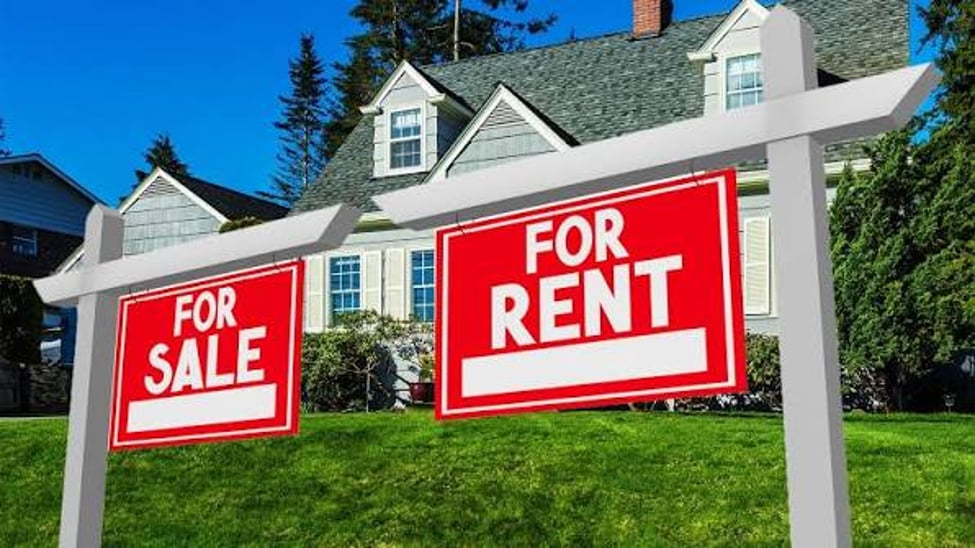
Owning a rental property in Ontario can be a great way to build long-term wealth through rental income and potential property appreciation. However, rising expenses, mortgage renewals, and changing market conditions may leave you wondering: Should you sell your rental property or keep it as a long-term investment?
For landlords in Toronto and the Greater Toronto Area (GTA), the answer depends on your property's cash flow, current market value, mortgage balance, tax obligations, and financial goals.
Selling could allow you to access your equity and redirect your money toward other investments. Keeping your property may provide continued rental income and the potential for long-term appreciation.
Here's what Ontario landlords should consider before making a decision.
1. Evaluate Your Rental Property's Cash Flow
Start by comparing your rental income with your monthly expenses.
Common costs include:
Mortgage payments
Property taxes and insurance
Repairs and maintenance
Condominium fees, if applicable
Property management fees
Vacancy periods and other expenses
For example, if your property earns $2,800 per month in rent but costs $3,200 to maintain and finance, you're facing a monthly shortfall of $400.
A rental property with negative cash flow isn't automatically a bad investment, but you need to determine whether you can comfortably cover the shortfall and whether the potential long-term benefits justify the cost.
Ask yourself: Is your property generating enough income to make keeping it worthwhile?
2. Understand Your Property's Current Market Value and Equity
Your property's market value can help you determine whether selling makes financial sense.
Consider recent comparable sales, local buyer demand, property condition, and your neighbourhood's market trends. A property in Vaughan may perform differently from a condominium in Toronto or a townhouse in Mississauga.
Next, calculate your approximate equity.
For example:
| Financial Item | Amount |
|---|---|
| Estimated property value | $850,000 |
| Outstanding mortgage | $400,000 |
| Equity before selling costs | $450,000 |
Your actual proceeds would be lower after accounting for real estate commission, legal fees, mortgage discharge costs, potential prepayment penalties, and applicable taxes.
If selling would release substantial equity, you could use the proceeds to pay down debt, purchase another property, diversify your investments, or support your retirement plans.
A professional market evaluation can help you understand what your property may be worth in today's GTA market.
3. Consider Your Mortgage Costs
Mortgage costs can significantly affect your rental property's profitability.
If your mortgage is approaching renewal, your payments may change depending on your new interest rate and mortgage terms. Higher payments could reduce your cash flow, especially if your rental income doesn't increase enough to offset the difference.
Before deciding whether to sell or keep your property, review:
Your outstanding mortgage balance
Upcoming renewal dates and potential payment changes
Possible mortgage prepayment penalties
Your rental income compared with ongoing expenses
If you're considering selling or refinancing, speak with a mortgage professional to understand your options.
Want to Calculate Your Mortgage Payments?
Use my online real estate calculators to estimate your mortgage payments and better understand your financing costs before making your next move.
👉 Explore the Real Estate Calculators: https://neetusell.com/buyers/calculators
4. Understand the Tax Implications of Selling in Ontario
Selling a rental property may trigger tax obligations, so it's important to understand the potential costs before listing.
Capital gains tax
If your property sells for more than its adjusted cost base and eligible selling expenses, you may have a capital gain. The applicable tax treatment depends on your circumstances and the rules in effect for the year of sale.
A rental property generally does not qualify for the principal residence exemption simply because you own it.
Capital cost allowance (CCA)
If you previously claimed capital cost allowance on depreciable rental property assets, selling may trigger recapture of CCA, which is generally included in income.
Other considerations may include the property's ownership structure, eligible capital improvements, and the circumstances of the sale.
For official guidance, review the Canada Revenue Agency's information on selling your rental property.
Tip: Consult a Canadian tax professional before selling so you can estimate your potential tax liability and net proceeds.
5. Review Ontario's Landlord-Tenant Rules
If your rental property is occupied, Ontario's landlord-tenant rules are an important part of your selling decision.
Can you sell a rental property with a tenant in Ontario?
Yes. However, selling the property does not automatically end the tenancy. The purchaser generally takes ownership subject to the existing tenancy.
If a purchaser intends to occupy the property, specific legal requirements must be met before a tenancy can be terminated. A landlord cannot simply require a tenant to leave because the property is being sold.
Ontario landlords must also follow applicable rules for property showings, including requirements for notice before entering a rental unit.
Before listing, review the Ontario government's rental housing rights and responsibilities and consult a real estate lawyer if you need advice about your specific situation.
6. Compare the Benefits of Selling Versus Keeping
Your decision should reflect both your property's financial performance and your long-term goals.
| Consideration | Sell the Property | Keep the Property |
|---|---|---|
| Equity | Access available proceeds after costs and taxes | Keep equity invested |
| Rental income | Future rental income ends | Income may continue |
| Expenses | Future ownership costs end | Ongoing expenses remain |
| Appreciation | No longer benefit from future appreciation | Retain potential for appreciation |
| Responsibilities | Landlord responsibilities generally end after the sale | Continue managing the property or pay for management |
| Flexibility | Redirect proceeds toward other goals | Maintain your real estate investment |
Selling may make sense if your property consistently loses money, requires major repairs, or no longer fits your financial plans.
Keeping it may be worthwhile if the rental income is sufficient, expenses are manageable, and the property supports your long-term investment strategy.
Remember that property appreciation is never guaranteed, and alternative investments also carry risks.
7. When Is the Right Time to Sell a Rental Property?
There is no single best time to sell a rental property in Ontario. The right timing depends on your financial circumstances, local market conditions, and investment goals.
Consider selling if:
Your property consistently has negative cash flow.
Your mortgage renewal could significantly increase expenses.
You've built substantial equity and want to use it elsewhere.
Major repairs are approaching.
You want to reduce the responsibilities of being a landlord.
On the other hand, keeping your property may make sense if it generates sufficient rental income and remains a good fit for your long-term plans.
For GTA landlords, reviewing recent comparable sales and your property's current market value can help you evaluate your options.
Should You Sell or Keep Your Rental Property?
Deciding whether to sell or keep your rental property requires more than looking at its current market value.
Consider your cash flow, equity, mortgage costs, tax obligations, tenant situation, and financial goals before making a decision.
For some Ontario landlords, selling may provide greater financial flexibility. For others, keeping the property may offer continued rental income and the potential for long-term wealth building.
The best decision starts with understanding what your property is worth today, how much it costs to own, and what you could gain by selling.
Thinking About Selling Your Rental Property in the GTA?
If you own an investment property in Toronto, Markham, Vaughan, Mississauga, Etobicoke, or the surrounding GTA, I can help you understand its current market value and explore your selling options.
Contact me to discuss your property and take the next step toward making an informed decision.
Neetu Arora, Realtor
RE/MAX West Realty Inc.
📞 416-898-5160
🌐 www.neetusell.com
Need to Sell?? Neetu Sell!!
Frequently Asked Questions
1. Should I sell or keep my rental property in Ontario?
It depends on your rental income, expenses, mortgage balance, property value, tax obligations, and financial goals. Selling may help you access equity, while keeping the property may provide ongoing rental income and potential appreciation.
2. Do I pay capital gains tax when selling a rental property in Ontario?
You may have to pay tax on a capital gain when selling a rental property. The calculation generally considers the proceeds of disposition, adjusted cost base, and eligible selling expenses. Recapture of previously claimed CCA may also apply. Consult a tax professional to understand your situation.
3. Can I sell my rental property if I have a tenant?
Yes. In Ontario, you can generally sell a tenanted rental property, but the sale does not automatically terminate the tenancy. The buyer generally assumes ownership subject to the existing tenancy. Additional legal requirements may apply if the purchaser intends to occupy the property.
4. Should I sell my rental property before my mortgage renews?
It may be worth considering if your payments are expected to increase significantly. However, compare potential mortgage penalties, selling expenses, taxes, and future rental income before deciding.
5. How much money will I receive from selling my rental property?
Your net proceeds depend on the selling price, outstanding mortgage, transaction costs, potential taxes, and other amounts owing. A net-proceeds estimate can help you understand how much money you may receive after closing.
6. When is the best time to sell a rental property in the GTA?
The best time depends on your property's location, condition, comparable sales, buyer demand, and financial goals. A property-specific market evaluation can help you determine whether selling now aligns with your plans.

